220.7K
Downloads
400
Episodes
Weekly conversations about the Liberal Arts and The Great Books with Wyoming Catholic College professors, board members,and guests.
Episodes
Dec 6, 2022
Dec 6, 2022
13 min
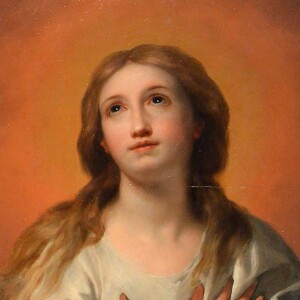
While Martin Luther believed that Mary, “is full of grace, proclaimed to be entirely without sin—something exceedingly great,” there may be no other Catholic doctrine as contentious as the immaculate conception as we talk with our Protestant friends. They can’t imagine and I wonder how many of our Catholic friends can’t imagine either.
This Thursday, December 8 is the Feast of the Immaculate Conception and Wyoming Catholic College theologian Dr. Kent Lasnoski joins us to shed a bit of light on the subject.
Nov 29, 2022
Nov 29, 2022
17 min
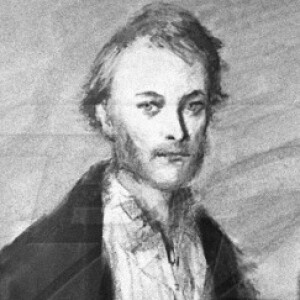
Ivan Turgenev began his novel, Fathers and Sons, with a father, Nicholai Kirsanov, as he awaits the arrival of his son, Arcady, who after years of study in St. Petersburg, is paying a visit to the family estate. When Arcady arrives, he has with him his best friend and mentor, Evgeny Bazarov, a medical student--and nihilist.
Bazarov is skeptical about everything with the exception of science. It is a position that played well in cosmopolitan St. Petersburg, but which seems a bit out of place in farm country.
Dr. Tiffany Schubert has taught the novel to our Wyoming Catholic College juniors and tells us a bit more about the book.
Nov 22, 2022
Nov 22, 2022
15 min
While there may be people in this world who don’t care one way or another about happiness, it’s safe to say that most people often say to themselves, “I just want to be happy. Is that too much to ask?”
The question is how to achieve happiness if “achieve” is even the right word.
University of Texas Austin Professor of Government and Philosophy, Dr. J Budziszewski, takes on that question in a new book, How and How Not to Be Happy.
Dr. Budziszewski lectured at Wyoming Catholic College on the topic of that new book and was kind enough to join us for this podcast.
Nov 15, 2022
Nov 15, 2022
21 min
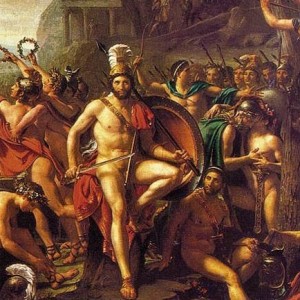
Ancient Sparta in the public imagination has long been an armed camp. It’s a city organized like an army to train all boys to be soldiers and all women to be hard as nails. And Spartans, we’re told, always fight to the death as they did at Thermopylae.
Dr. Stephen Hodkinson begs to differ. Dr. Hodkinson is Emeritus Professor of Ancient History at the University of Nottingham. He is co-organiser of the International Sparta Seminar and founder of the University of Nottingham’s Centre for Spartan and Peloponnesian Studies. And in 2010 he was awarded Honorary Citizenship of modern Sparta for his contributions to Spartan history.
He is also in Lander visiting his son, Wyoming Catholic College professor Christopher Hodkinson and kindly tells us about Ancient Sparta.
Articles by Stephen Hodkinson can be found here.
Nov 8, 2022
Nov 8, 2022
16 min
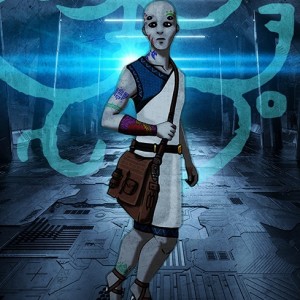
In Markmaker the new science fiction novel by Mary Jessica Wood (Wyoming Catholic College Class of 2019), tattoos are not optional. They define identity by commemorating birth, ancestry, accomplishments—even crimes. Though sworn always to record the truth, one tattoo artist tattoos a lie resulting in the banishment of an innocent man. He’s devastated at his dishonesty, but that leads him….
Perhaps it would be best to let Mary Jessica Woods tell us more about the story.
To order Markmaker by Mary Jessica Woods, click here.
Nov 1, 2022
Nov 1, 2022
15 min
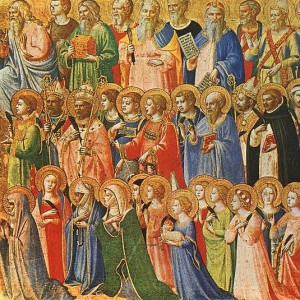
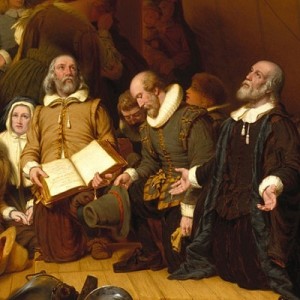
Each year on November 1, we celebrate the Solemnity of All Saints, remembering those brothers and sisters in Christ who lives demonstrated heroic virtue and faith. “The Saints,” said Pope Francis, “were not superhuman. They were people who loved God in their hearts, and who shared this joy with others.” And he goes on to say, “To be saints is not a privilege for a few, but a vocation for everyone.”
Perhaps by happy providence, perhaps by cunning design, back in 2017, Wyoming Catholic College professor Kyle Washut was teaching the Vatican II document Lumen Gentium to our seniors just in time for All Saints Day. Here is what he had to say.
Oct 25, 2022
Oct 25, 2022
17 min
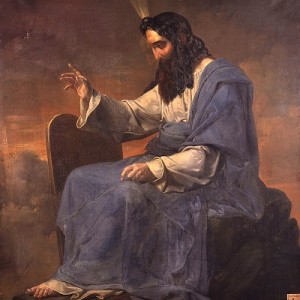
Last week on the After-Dinner Scholar, theologian Dr. Kent Lasnoski talked with us about the story of Israel in the Old Testament book of Exodus. This week we’ll continue the conversation about Exodus only we’ll jump ahead of Moses by three thousand years.
Within the Bible, the story of the Exodus, chronicling how God delivered Israel from slavery in Egypt lent a strong sense of identity to the American colonists, the founders, and African-Americans, and others.
Dr. Virginia Arbery has an abiding interest in story of the Exodus and our American imagination.
Oct 18, 2022
Oct 18, 2022
15 min
While our English versions of the Old Testament call the book “Exodus,” which means “leaving,” the Hebrew name is the first word of the text, shemoth, “names.” “These are the names,” and those names are the sons of Jacob who God renamed Israel. They and their families—a total of seventy people—escaped famine in the land of Canaan, finding a home with the long-lost son of Jacob, Joseph who, sold into slavery, became Pharaoh’s second-in-command.
Initially they lived well and over the decades those seventy became thousands. Then we read, “there arose a new king over Egypt, who did not know Joseph” and he and his people were afraid of these hoards of foreigners. So the king, Pharoah enslaved them. Dr. Kent Lasnoski has been reading Exodus with our Wyoming Catholic College freshmen and had this to say about the book.
Oct 11, 2022
Oct 11, 2022
16 min
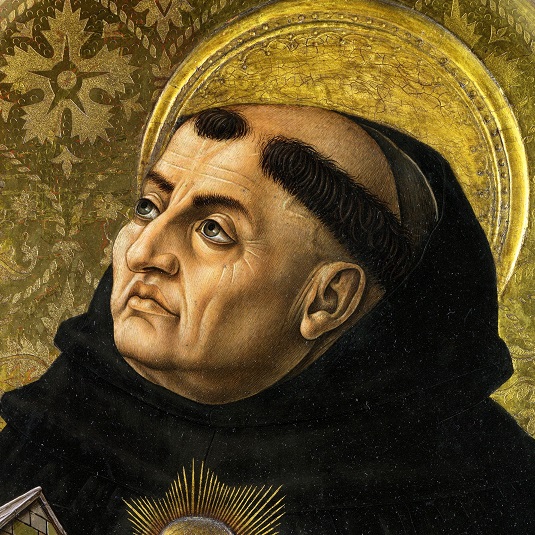
When Wyoming Catholic College sophomores take Theology 201: The Mystery of the Trinity, they’re typically surprised that before diving into the theology of the Trinity, they’re up to their ears in philosophy. God exists. God is unmovable. God is eternal. God is necessary. God is everlasting. God is simple.
Such considerations need to come first since without them, theology can lose the moorings it needs in the intellect and in the world as it is.
To help us understand the place of philosophy in our theology, our guest this week is the professor who teaches Theology 201: The Mystery of the Trinity, theologian Dr. Jeremy Holmes.
Books Recommended by Dr. Holmes
- Summa Theologiae by St. Thomas Aquinas (Aquinas Institute Edition)
- Who Designed the Designer?: A Rediscovered Path to God's Existence by Michael Augros
- Aquinas: An Introduction to the Life and Work of the Great Medieval Thinker by F. C. Copleston
- Aquinas (A Beginner's Guide) by Edward Feser
- A Summa of the Summa by Thomas Aquinas and Peter Kreeft
Oct 4, 2022
Oct 4, 2022
21 min
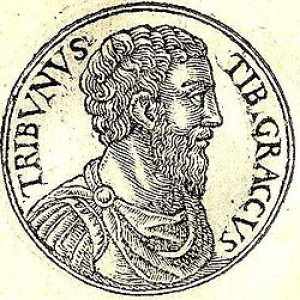
Studying the lives of men and women is complicated, but it is from that study that we see vice and virtue and the end results of each, we learn of honor and dishonor, sacrifice and selfishness, self-discipline and dissipation.
The Greek Platonist and priest of Apollo at Delphi, Plutarch understood the project of instruction by writing the lives of great Roman and Greeks.
Dr. Tiffany Schubert has been teaching Plutarch’s Lives with the Wyoming Catholic College sophomores.