
220.7K
Downloads
400
Episodes
Weekly conversations about the Liberal Arts and The Great Books with Wyoming Catholic College professors, board members,and guests.
Episodes
Sep 19, 2017
Sep 19, 2017
12 min
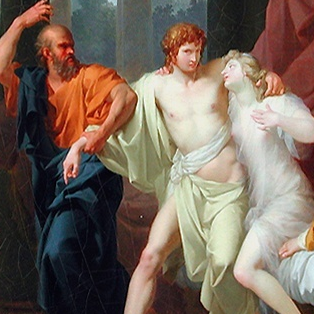
“What do you hope to achieve by bothering me?” It’s a question many asked Socrates and in the dialogue Alcibiades, he answers the question.
Alcibiades yearns for a life in politics and is both an attractive and ambitious would-be leader of Athens. He would appear to have a great future before him, but Socrates tells him—convinces him, “You are wedded to stupidity, my good fellow, stupidity of the highest degree.” Alcibiades can’t explain the difference between justice and injustice, good and bad, advantageous and disadvantageous.
Professor Kyle Washut introduced the Wyoming Catholic College freshmen to philosophy and the value of studying philosophy with Socrates' conversation with Alcibiades. Through it they see themselves and their need for education in a new way.
Sep 12, 2017
Sep 12, 2017
13 min
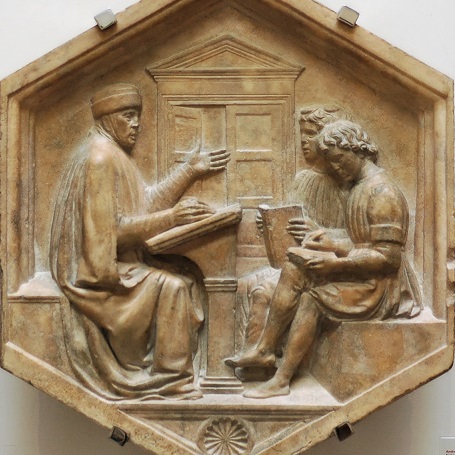
In 1947, Don Giovanni Calabria read La Lettere di Berlicche, the Italian translation of C. S. Lewis’s Screwtape Letters and decided to write to the book’s author. Since he knew no English and had no indication that Lewis knew Italian, Fr. Giovanni wrote in Latin, confident that Lewis, an educated man and scholar, could read and write—if not speak—Latin.
That would be a bad assumption today. Many universities and colleges gave up teaching the classics years ago.
Yet at Wyoming Catholic College, all students take Latin learning not just reading and writing, but learning how to speak and to converse in Latin. At the center of the program is Professor—or more properly Magister Eugene Hamilton. Magister is our guest on this week's After Dinner Scholar.
Sep 5, 2017
Sep 5, 2017
14 min
In her essay, “The Sovereignty of Good Over Other Concepts,” Iris Murdoch wrote, “We [humans] are what we seem to be, transient mortal creatures subject to necessity and chance. This is to say that there is, in my view, no God in the traditional sense of that term; and the traditional sense is perhaps the only sense.”
At the same time she spoke about virtue, morality, love, beauty, and the Good. Does that sound paradoxical? Dr. Thaddeus Kozinski began his junior level course on ethics here at Wyoming Catholic College by having students read and discuss Murdoch’s essay complete with paradoxes.
Aug 29, 2017
Aug 29, 2017
11 min
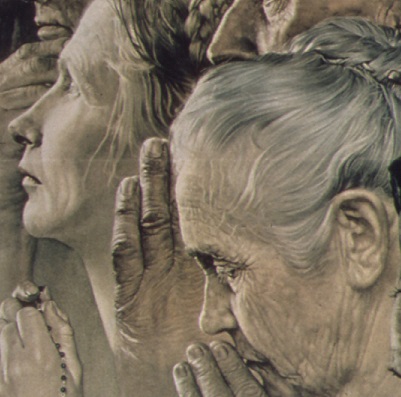
The great American experiment in religious liberty expressed in the words of the First Amendment to the Constitution was unprecedented in the eighteenth century, remains rare in the world today, and is under attack even in spite of the Constitution and the Western intellectual tradition that informed the Constitution.
Dr. James Tonkowich discusses religious liberty and introduces the free Wyoming Catholic College distance learning course "Religious Liberty in America."
To request your copy of the lectures, study guide, and Dr. Tonkowich's book The Liberty Threat, fill in your name and mailing address here.
Aug 22, 2017
Aug 22, 2017
16 min
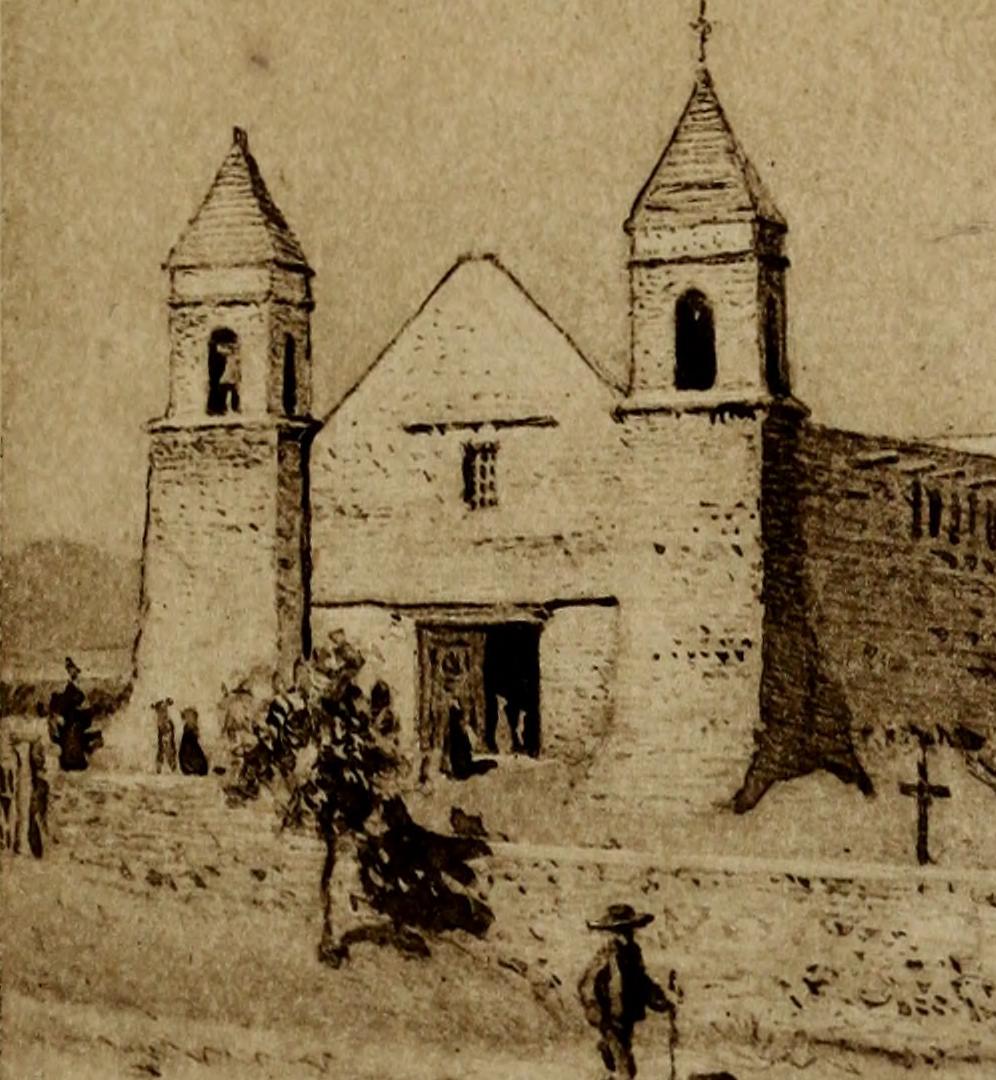
Over the past week, the administration and staff at Wyoming Catholic College have met to discuss The Power and the Glory by Graham Greene. It’s an historical novel set in the 1930s in the Mexican state of Tobasco. The Catholic Church had been outlawed and churches including the cathedral were torn down. Priests were arrested as enemies of the state and promptly shot. In that setting, Greene gives us his paradoxical portrayal of service to God, love for neighbor, and holiness in the life of the last remaining Catholic priest, a character known to us only as “father’ or “the whisky priest.”
Dr. Glenn Arbery, president of Wyoming Catholic College led the discussion and is our guest this week on The After Dinner Scholar.
Aug 15, 2017
Aug 15, 2017
12 min
Anyone who has read Flannery O’Connor’s stories knows that she was convinced that "the repugnant distortions of modern life" appeared far too natural and normal to her audience and she was quite willing to use “ever more violent means” to point that out.
Her short story “Revelation” exemplifies her dictum that “to the hard of hearing you shout, and for the almost blind you draw large and startling figures.”
This summer Dr. Kent Lasnoski assigned “Revelation” to high school juniors and seniors during Wyoming Catholic College’s PEAK Program. Dr. Lasnoski is our guest on this edition of The After Dinner Scholar.
Links:
Aug 8, 2017
Aug 8, 2017
50 min
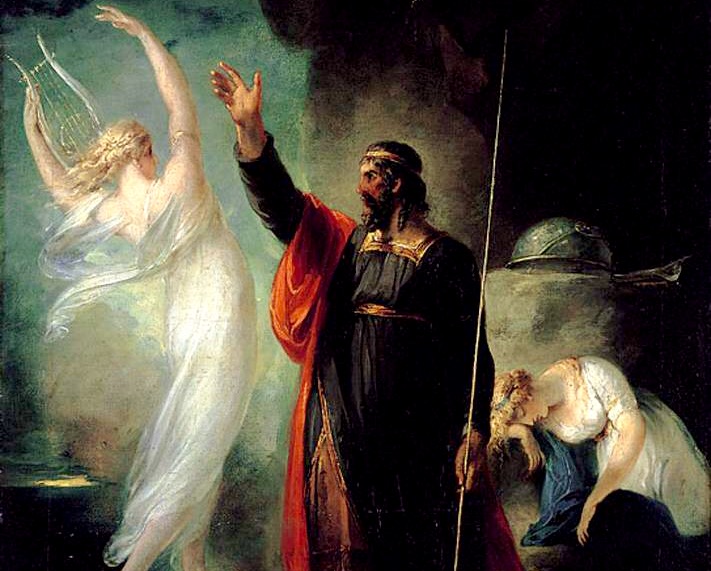
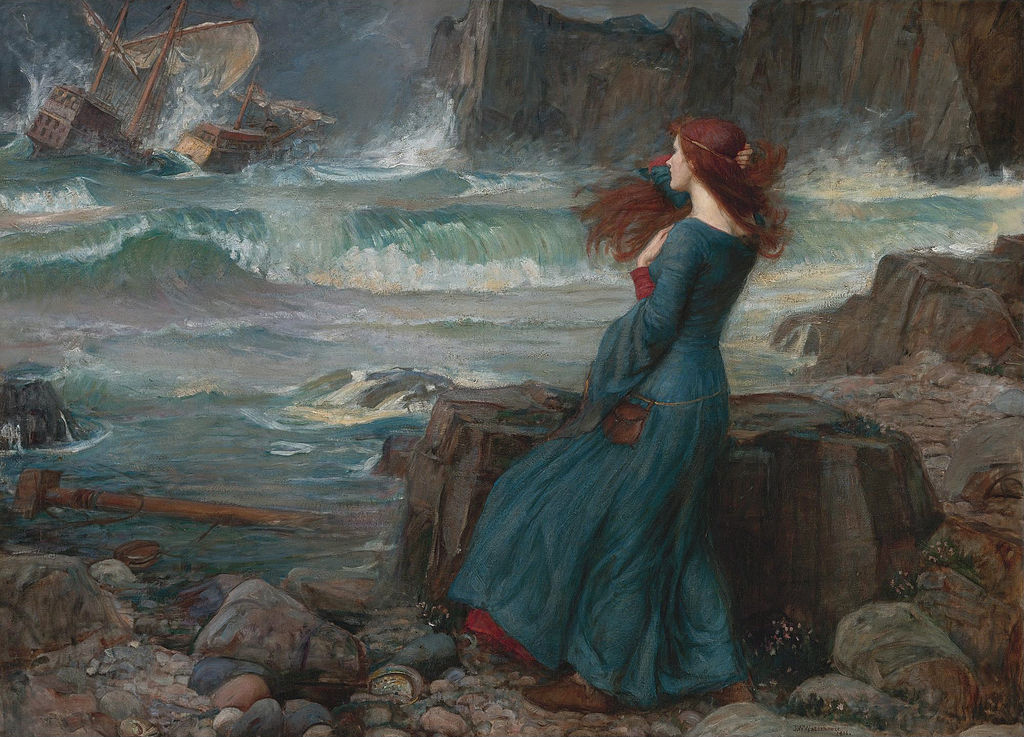
In Shakespeare’s The Tempest, Prospero, the rightful Duke of Milan tells his daughter Miranda the tale of how his brother, Antonio, usurped his title and put him and Miranda in a leaky boat to perish at sea. Instead, “by providence divine” they landed on an island. There Prospero became a great and powerful magician able even to control the wind and the sea.
As a fleet of ships passes by, he conjures a storm and brings Antonio and his other enemies to his island.
The story of what happens next is the topic of Wyoming Catholic College President Glenn Arbery’s lecture on The Tempest at the 2017 Wyoming School of Catholic Thought. Here it is in its entirety.
Aug 8, 2017
Aug 8, 2017
14 min
At the end of his life, William Shakespeare moved from what could be called his Tragedy period to his Romance period. While plays such as King Lear, Hamlet, and Macbeth end on stages strewn with dead bodies, the Romances including The Tempest end with the realization of hope beyond hope.
In such a world, Shakespeare imagined a great magician with immense power over the wind, the sea, and the lives of people including his enemies.
The Tempest, argues Wyoming Catholic College President Glenn Arbery, is the story of how the magician, Prospero, uses that power.
Aug 1, 2017
Aug 1, 2017
47 min
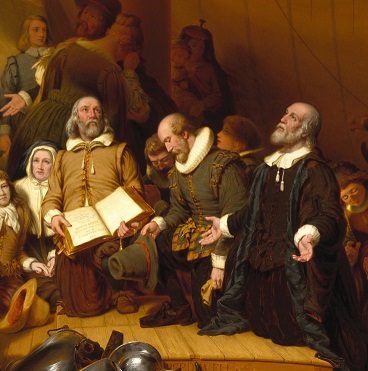
That imagery of the Exodus goes far beyond Moses leading the people of Israel in about 1446 BC. It was alive and well on the shores of New England in 1630 and remains with us today as what Wyoming Catholic College professor Dr. Virginia Arbery calls “the root of American self-understanding.”
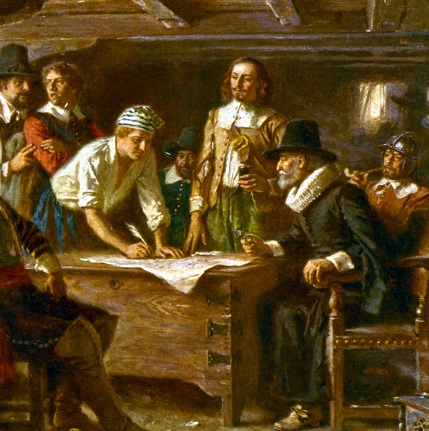
Dr. Arbery spoke about the New England Puritans and the imagery of the Exodus at the Wyoming School of Catholic Thought this past June. Here is her lecture in its entirety.
The documents Dr. Arbery cites in her lecture are: The Mayflower Compact, "A Model of Christian Charity" by Governor John Winthrop and The Life of William Bradford and The Life of John Winthrop both from Cotton Mather's Magnalia Christi Americana
Aug 1, 2017
Aug 1, 2017
16 min
Who are we as Americans? Dr. Virginia Arbery, Associate Professor of Humanities at Wyoming Catholic College points out that the New England Puritan self-understanding is the root of our American self-understanding. Their sense of an exodus from England with a new beginning in the New World to found “A City on a Hill,” a New Jerusalem, remains with us today. Dr. Virginia Arbery is our guest on this edition of The After Dinner Scholar.